We’re pleased to announce that we’ve joined forces with Everton in the Community to launch ‘Healthy Habits’, a new community initiative helping children across the Liverpool City Region to build healthier habits around food, physical activity, sleep and mental wellbeing.

Supported by Hill Dickinson as part of its landmark naming rights partnership with Everton Football Club, the programme forms part of our giving strategy – which is focused on creating brighter futures for children and young people – and will support the communities surrounding Hill Dickinson Stadium and the work of the club’s official charity.
Healthy Habits will work with primary school-aged children across the region, giving them the knowledge, confidence and practical skills to make healthier life choices that can support their long-term physical and mental wellbeing.
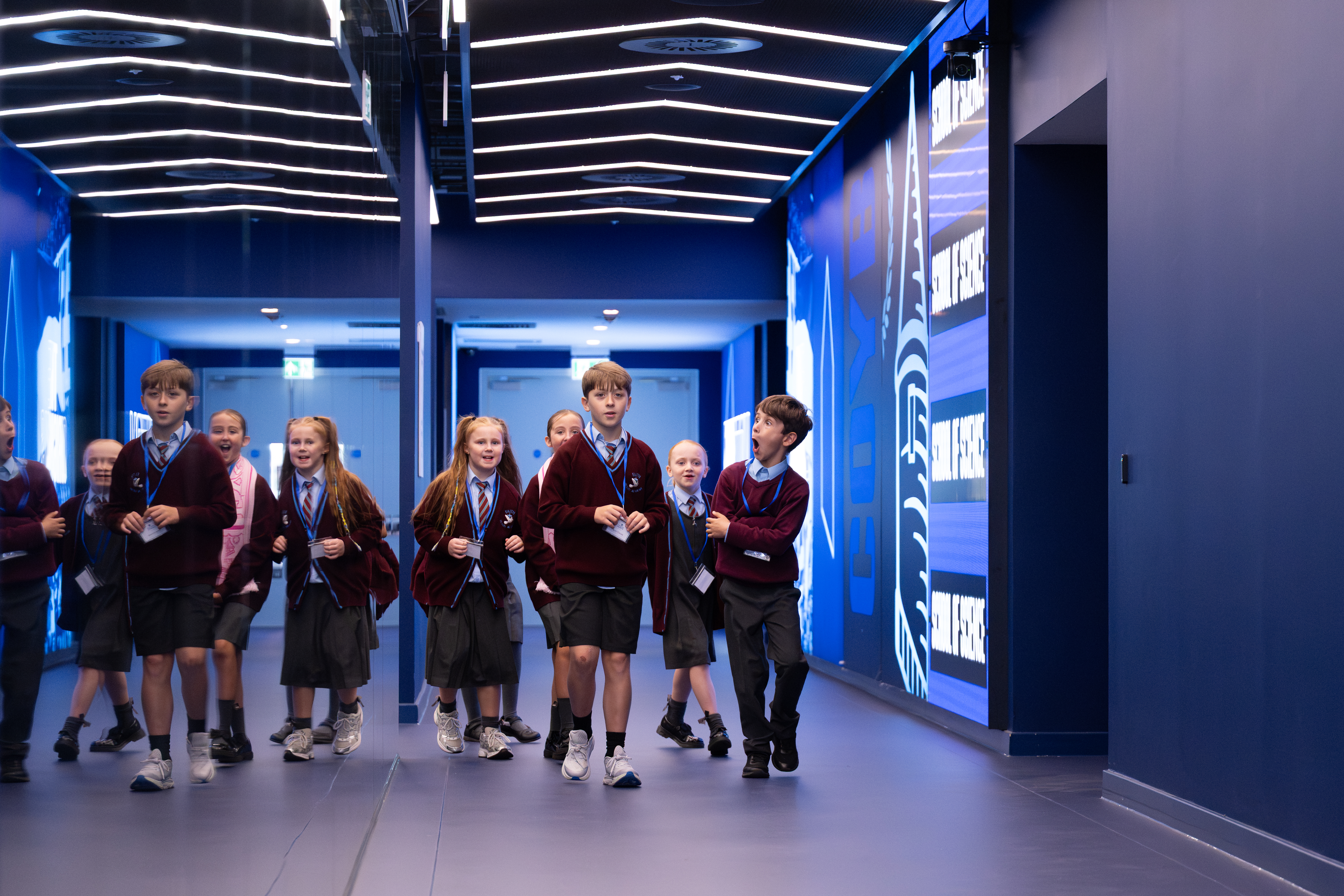
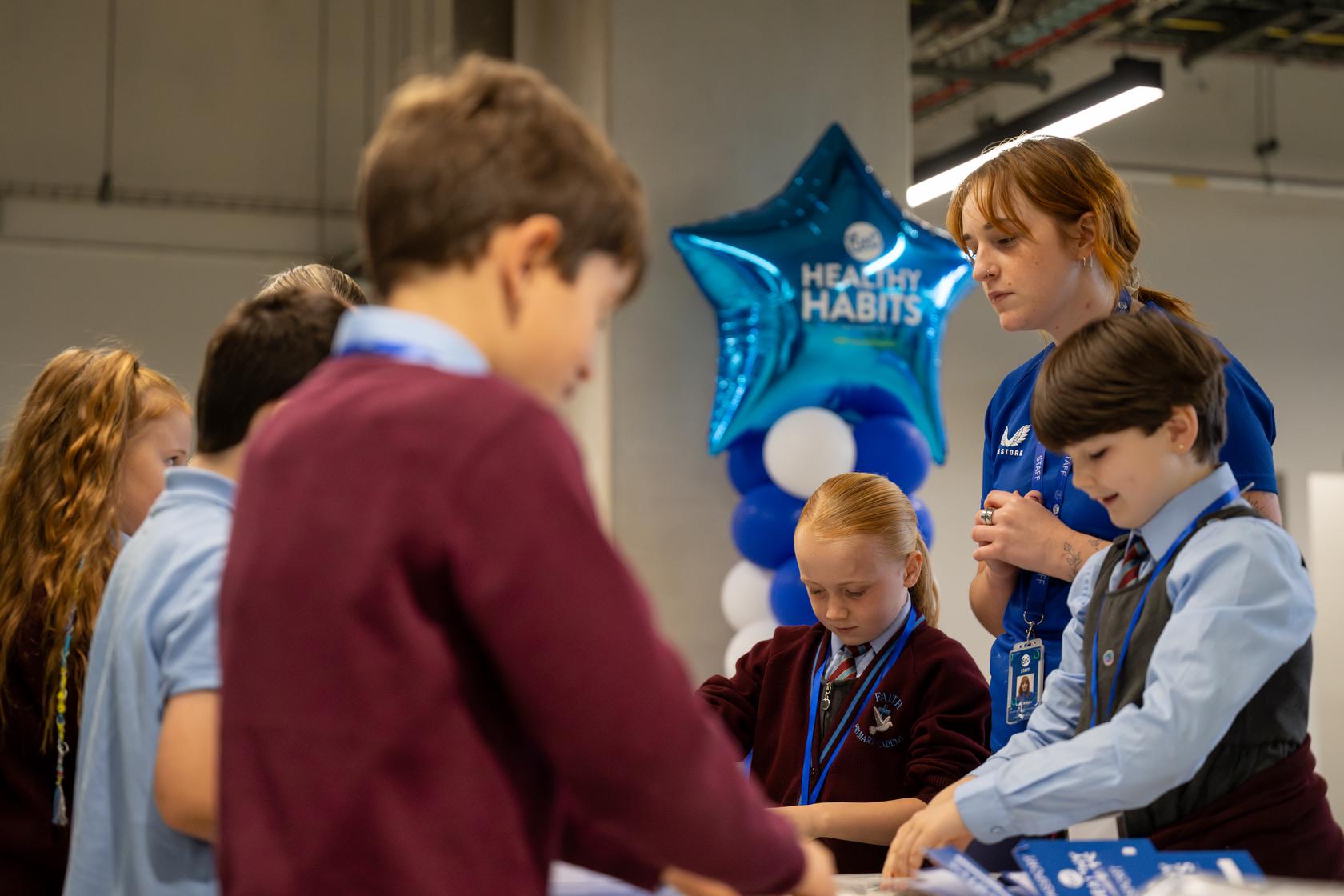
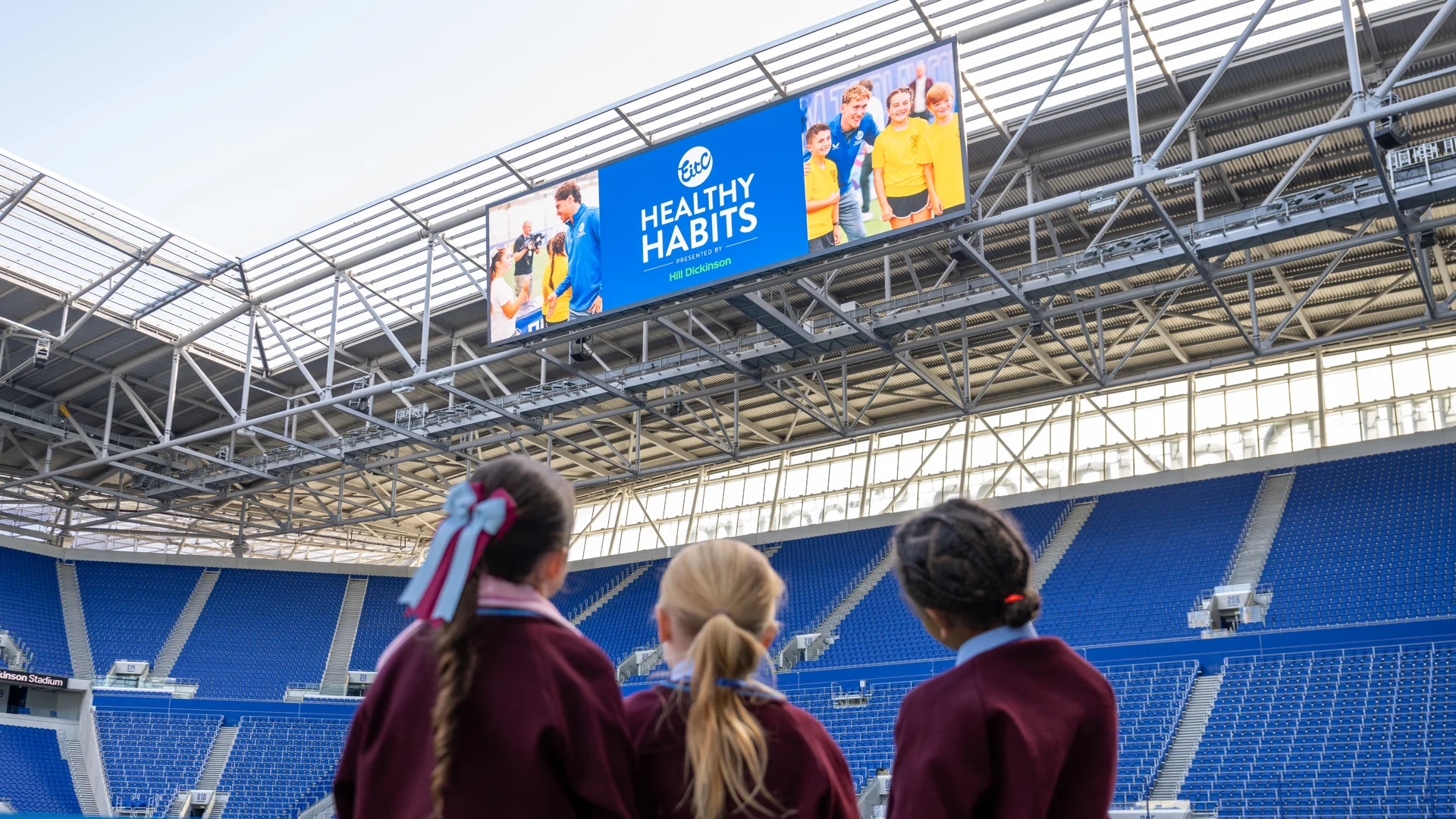
The programme was officially launched at Hill Dickinson Stadium, with 60+ pupils from local schools taking part in a day of interactive health and wellbeing activities at Everton’s new waterfront home.
Young people were welcomed by our CEO Craig Scott and Everton in the Community CEO Sue Gregory, who spoke about the new partnership and the importance of helping children develop healthy habits from an early age.
Craig Scott, CEO of Hill Dickinson, said: “Earlier this year we launched Hill Dickinson’s five-year community strategy, focusing on the idea of helping every child reach their potential in a world where too many young people experience poverty, poor health and limited opportunities. As a flagship project within that strategy and our partnership with Hill Dickinson Stadium, Healthy Habits encapsulates our commitment to reducing the negative impact of the structural inequalities in our society and giving every young person the best chance to thrive.
“It’s our pleasure to be able support the project and Everton in the Community’s important work as we aim to ensure that our partnership with the club goes beyond match days to ensure it has a lasting positive impact across the city.”
Pupils attending the launch event took part in a series of activities, including designing their own ‘Eat Well Plate’, a ‘Healthy Breakfast’ cooking game and sports-based physical activities facilitated by Hill Dickinson employees and the Everton in the Community team. They also completed ‘The Big Challenge – 52,888’, taking on a lap of Hill Dickinson Stadium, before testing their knowledge with a game of ‘Stadium Detectives’, seeing inside the Everton first team changing room and walking out pitchside to the iconic Z-Cars theme.
Sue Gregory, CEO of Everton in the Community, said: “We know that the habits children develop from an early age can have a lasting impact on their health and wellbeing, which is why programmes like Healthy Habits are so important.
“We’re incredibly grateful to Hill Dickinson for recognising the role Everton in the Community can play in supporting children and families across our region and for choosing to extend its partnership with Everton beyond the naming rights of our new home.
“Through Healthy Habits, we want to give young people the knowledge, confidence and practical skills to make healthier choices in a way that is engaging, accessible and, most importantly, enjoyable. Today has been a fantastic way to bring that to life and we’re looking forward to taking the programme into schools and communities across the Liverpool City Region.”
Addressing long-term health inequalities
Delivered by Everton in the Community’s dedicated health team, Healthy Habits will target schools and communities where children are at greater risk of experiencing health inequalities. The programme aims to improve health literacy, increase levels of physical activity, build greater understanding of nutrition and healthy weight management, and help reduce the risk of childhood obesity.
The programme responds to a clear need across the Liverpool City Region. Knowsley ranks among the areas of England with the highest levels of childhood obesity, while children living in some of Liverpool’s most socio-economically deprived communities are disproportionately affected by excess weight and associated health inequalities.
Childhood obesity can have significant consequences for both physical and emotional wellbeing, with children who are overweight or obese at greater risk of experiencing issues including low self-esteem and social isolation, as well as a range of longer-term health conditions.
Delivered within schools and across Everton in the Community’s Goodison Campus in the heart of L4, Healthy Habits will see children participate in a six-week programme combining educational workshops, physical activity and social action.
Sessions will explore topics including balanced diets and the Eatwell Guide, screen time and sleep, the relationship between mood and food, budgeting for healthy meals and practical cooking skills – helping children translate what they learn into realistic choices at home.
Healthy Habits will also work with SEND schools to respond to the specific health challenges experienced by children and young people with learning disabilities, learning difficulties and autism, ensuring the programme can be adapted to meet a range of needs.
Recognising the important role families play in establishing healthy routines, the programme will extend beyond the classroom to engage parents and carers through healthy cooking sessions, family engagement events, end-of-programme celebrations and access to health checks.
Jack Mullineux, Health Interventions Manager at Everton in the Community, said: “Healthy Habits is about making conversations around health and wellbeing engaging, practical and relevant to children and their everyday lives.
“Rather than simply telling young people what they should or shouldn’t be doing, we want to help them understand why things like eating well, being active, getting enough sleep and looking after their mental wellbeing matter, while giving them simple tools they can take away and use at home.
“By working closely with schools, families and young people over the six-week programme, we can tailor our approach to the communities we’re supporting and hopefully help children build positive habits that stay with them long after the programme has finished.”